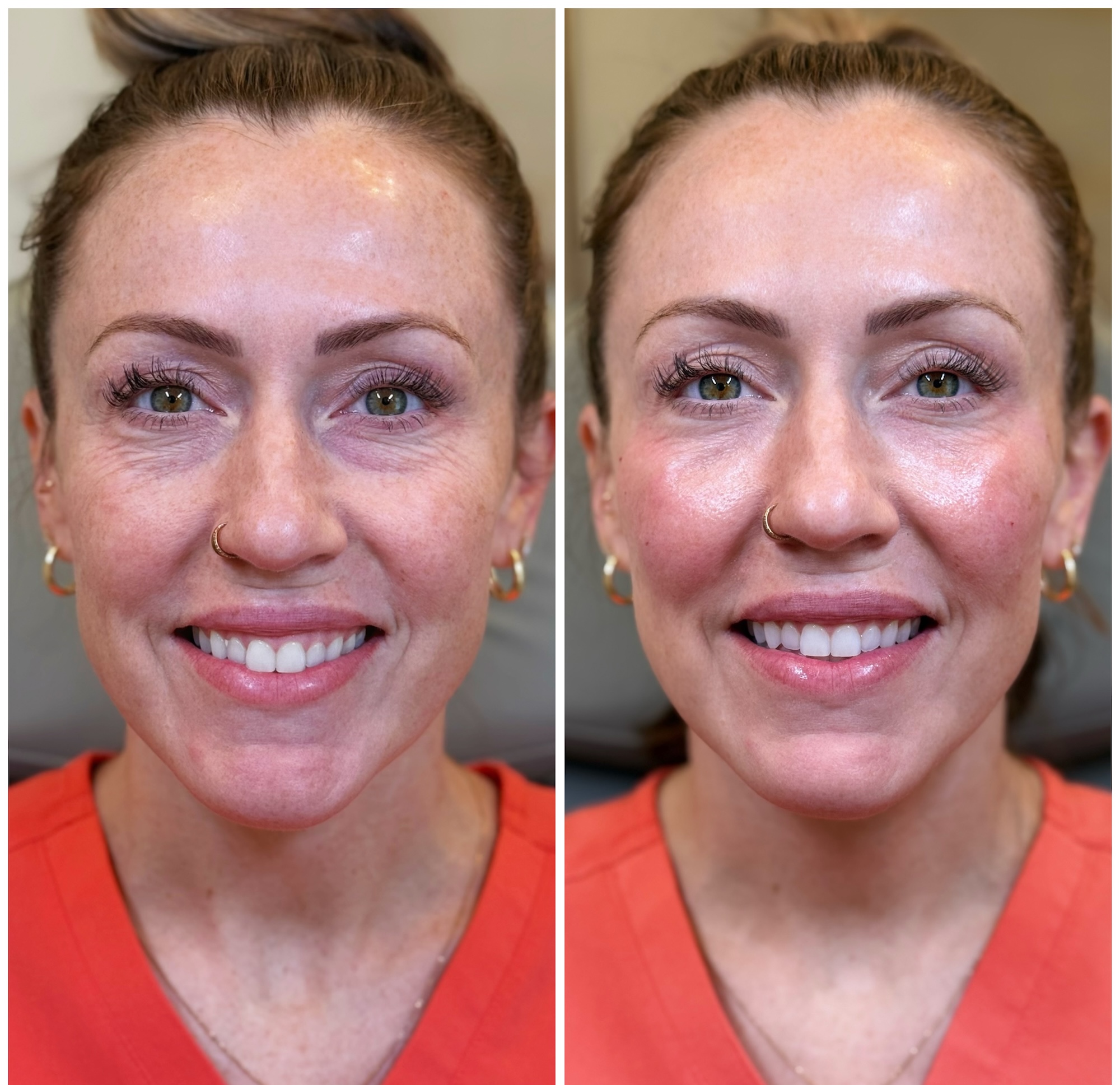
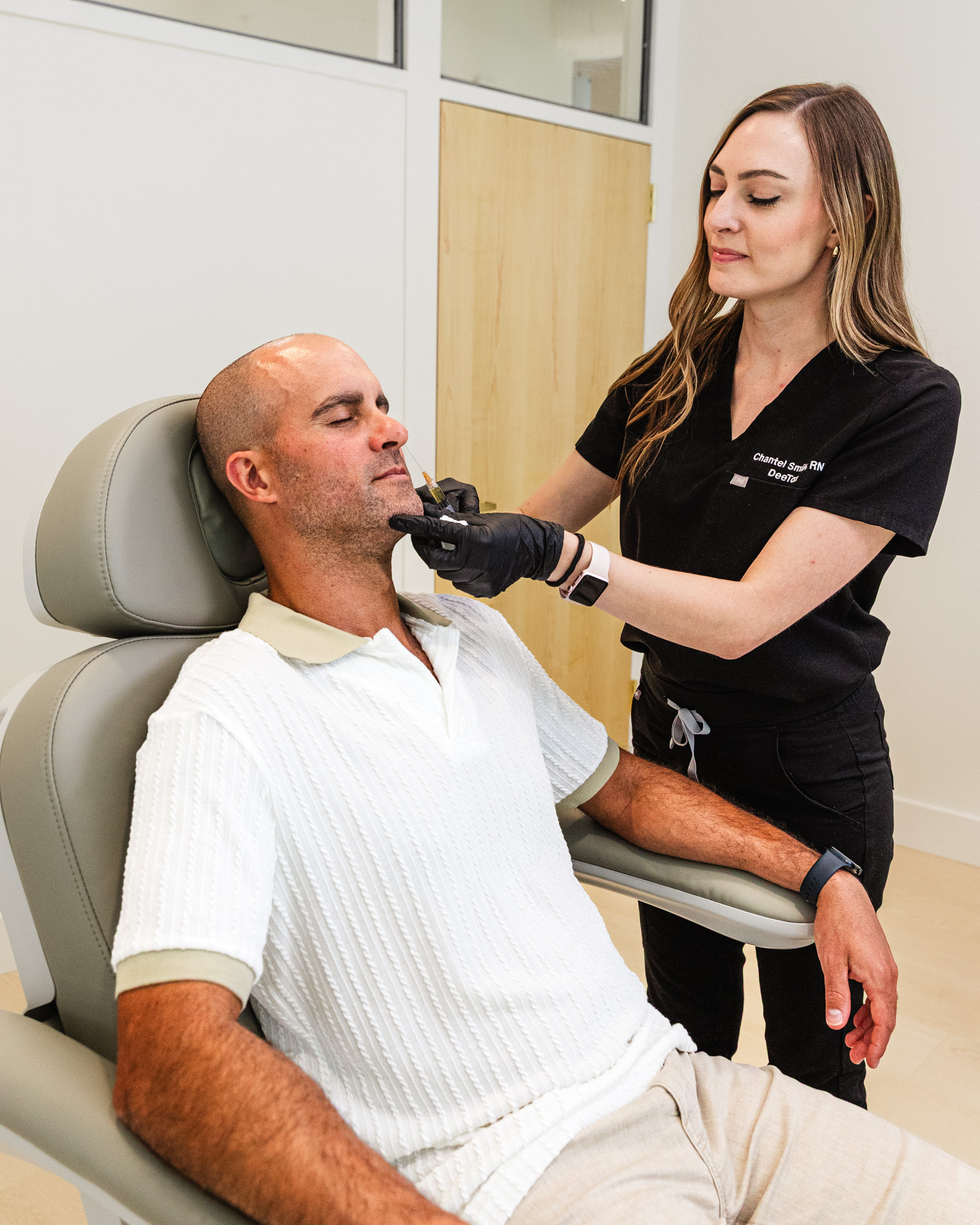
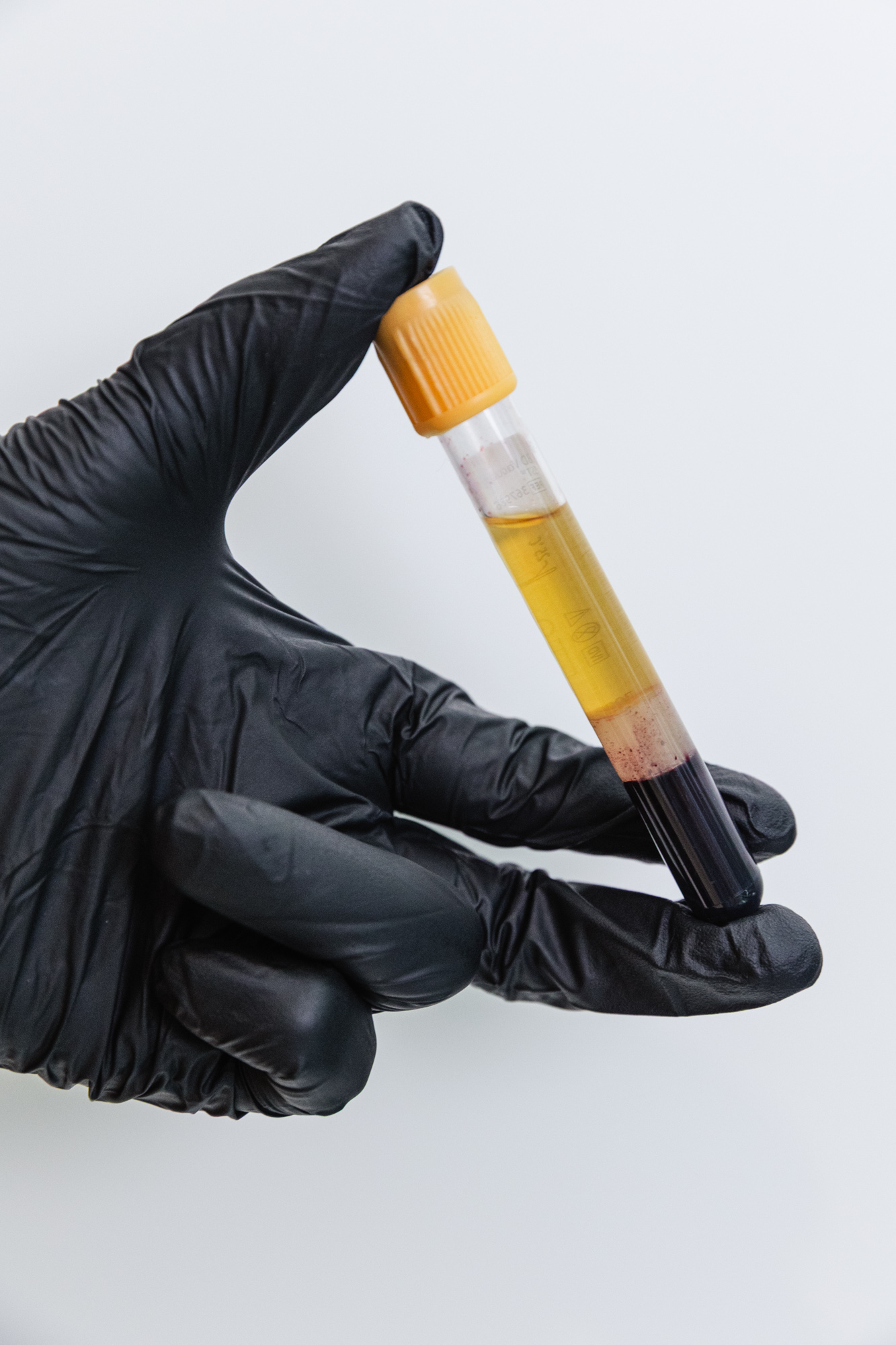
PRP is a regenerative treatment that uses your blood to promote healing and collagen production. We extract a small amount of blood, spin it in a centrifuge to isolate the growth factors, and apply or inject it where you need it the most.
At a Glance
-
Locations Offered
Burlington, Chapel Hill
-
Anesthetic
Optional
-
Length of Treatment Session
75 minutes
-
Number of Sessions Needed
3
-
Downtime
None
-
Recovery Time
None
-
Initial Results Seen In
1 to 2 weeks
-
Results Duration
6 to 12 months
PRP
Rejuvenation Starts Here
Science Meets Rejuvenation
PRP stands for platelet-rich plasma, a natural treatment that uses your body’s own healing properties to rejuvenate the skin.
At DeeTox, we use PRP to promote hair growth in thinning areas, support skin rejuvenation, and stimulate collagen production. Because it’s derived from your blood, it’s safe, well-tolerated, and a great option for patients who prefer a natural approach to aesthetic improvements.
What It Treats:
-
Thinning hair
-
Hair loss
-
Dark under-eye circles
-
Skin rejuvenation
-
Fine lines
-
Acne scars
-
Skin texture & tone
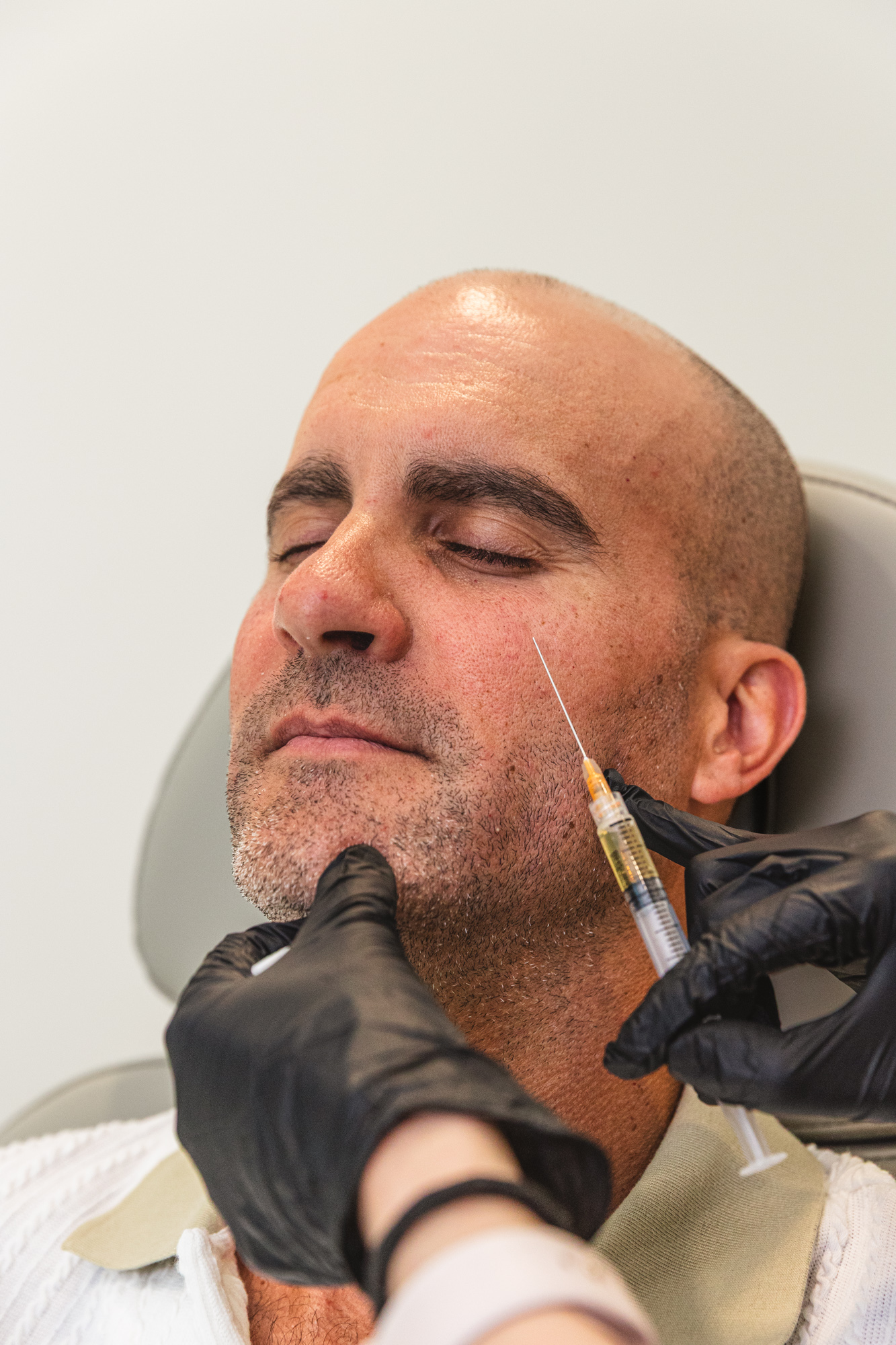
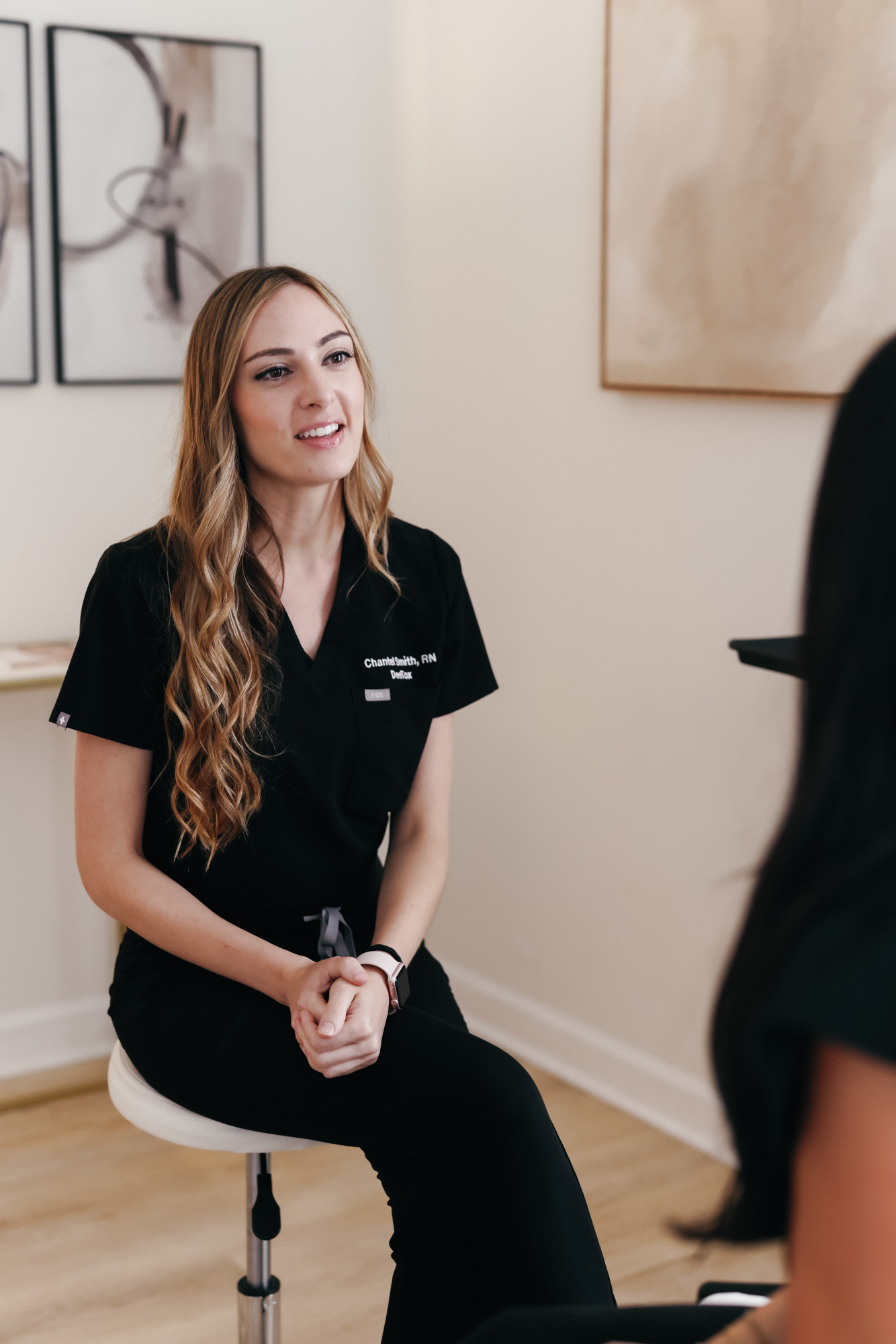
Consultation
Treatment

Results

Where Confidence Begins
Take the first step toward feeling more like you—refreshed, radiant, and confident in your skin.
We use PRP to improve hair and scalp health, improve skin texture, reduce fine lines, and fade acne scars. We often combine it with microneedling for enhanced skin renewal.
Yes! We derive PRP from your blood, so the risk of allergic reaction is extremely low. It’s a natural, well-tolerated option for patients looking for nonsurgical rejuvenation.
No, the treatment doesn’t hurt. Most patients describe the sensation as mildly uncomfortable but tolerable.
Most clients notice improved skin tone and/or scalp health within 1 to 2 weeks. Results continue to build over time and can last 6 to 12 months with proper care.
We recommend a series of 3 treatments spaced 4 to 6 weeks apart, followed by maintenance sessions every 6 to 12 months as needed.
There is no downtime. You may experience mild redness or sensitivity for a few hours, but most patients return to normal activities the same day.